Why your wiring matters, and how a Level 2 Electrician Sydney can fix it
Usual Electrical Troubles Every Homeowner Ought To Learn about
Homeowners typically come across various electrical troubles that can affect safety and security and capability. Issues like flickering lights and tripped breaker are more common than many realize. These scenarios can suggest deeper electric issues that warrant focus. Recognizing the dangers and indications connected with outdated electrical wiring and dead electrical outlets is vital. What actions can be taken to stop these issues? Discovering these typical electric concerns might reveal essential insights for preserving a risk-free home setting.
Flickering Lights: Causes and Solutions
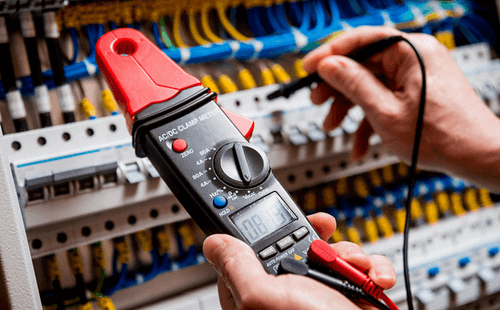
Why do some home owners experience flickering lights? Flickering lights can be an usual nuisance, usually showing underlying electrical concerns. One primary cause is defective or loosened connections within lighting fixtures or circuitry, which can lead to intermittent power supply. Additionally, utilizing high-wattage home appliances on the same circuit may trigger voltage variations, resulting in flickering or lowering. One more prospective issue is an overloaded circuit, where also several devices attract power simultaneously, straining the electrical system. Outdated or degraded electrical wiring can contribute to inconsistent electric circulation. In many cases, flickering lights might signal an issue with the home's electric panel or service line. Home owners ought to address flickering lights immediately to avoid prospective hazards. Solutions may consist of tightening connections, redistributing device load, or speaking with a certified electrical contractor for an extensive evaluation. Identifying the origin can aid assure a secure and risk-free electric system in the home.
Tripped Circuit Breakers: What You Need to Know
Have homeowners ever before questioned what causes their breaker to journey suddenly? This common problem often occurs from an overload of electric circuits, where as well several tools attract power all at once. In such instances, the circuit breaker works as a security mechanism, disrupting the flow of electricity to avoid getting too hot and prospective hazards. One more regular cause is a short circuit, which happens when an online wire get in touches with a neutral wire, creating a surge of electricity that journeys the breaker. Ground faults can likewise lead to tripped breakers; these take place when an online wire touches the ground or a based surface, presenting severe safety and security risks. House owners ought to routinely examine their usage of high-wattage appliances to stay clear of straining circuits. Furthermore, comprehending the function of circuit breakers can assist them react suitably during a journey, ensuring their home stays risk-free and well-kept.
Obsolete Electrical Wiring: Risks and indications
Out-of-date electrical wiring can present substantial dangers to property owners, typically going unnoticed till troubles develop. Houses constructed prior to the 1980s might still have aluminum circuitry or knob-and-tube systems, which are no much longer taken into consideration secure. Signs of obsolete electrical wiring consist of flickering lights, frequently stumbled breaker, or shedding smells near electrical outlets. These indications might recommend that the electric system is loaded down or deteriorating.Additionally, home owners may discover blister marks around switches or outlets, which can show overheating. The danger of electrical fires markedly raises with out-of-date electrical wiring, as these systems were not created to deal with modern electrical loads. Home owners are motivated to have their wiring checked consistently, especially when remodeling or adding new home appliances. By recognizing these indicators early, they can stay clear of unsafe scenarios and preserve a safer living atmosphere. Updating to present electrical criteria is a positive step in preserving home security and performance.
Frequently Blown Fuses: Repairing Tips
Frequent blown integrates can suggest underlying electric issues that might originate from obsolete circuitry or overloaded circuits. Property owners experiencing this issue needs to first determine the home appliances linked to the affected circuit. It is a good idea to prevent making use of multiple high-wattage devices all at once, as this can result in circuit overload. If the trouble persists, examining the fuse box for indications of wear or damage is essential; a faulty fuse box might require replacement.Additionally, looking for loose connections within the circuit can help prevent future events. Home owners ought to also validate that the integrates being made use of are of the appropriate amperage, as using an incorrect fuse can exacerbate the trouble. If these troubleshooting ideas do not settle the issue, seeking advice from a licensed electrical contractor is suggested to assess the electric system further. Attending to these problems promptly can help alleviate dangers and guarantee the safety of the home's electric facilities.
Dead Electrical Outlets: Typical Causes and Fixes
When a home owner encounters a dead outlet, it can frequently be a source of frustration and confusion. Numerous usual reasons may lead to this concern. One constant offender is a tripped circuit breaker, which can be easily reset. Property owners ought to examine their electrical panel to examine if any breakers are in the off setting. Another opportunity is a defective electrical outlet itself, which may call for substitute. In official statement addition, loose circuitry links within the electrical outlet can interfere with power circulation, making examination essential.Sometimes, the problem might stem from an overloaded circuit, especially when several gadgets are connected. In such cases, rearranging the electric load can deal with the issue. Home owners need to likewise consider the age of their wiring; older systems may require updates to satisfy contemporary electrical needs. If these steps do not fix the situation, getting in touch with a licensed electrician is recommended to assure safety and security and appropriate diagnosis.
Electric Shocks: When to Be Concerned
Exactly how can homeowners identify whether an electric shock warrants concern? Home owners must first analyze the intensity and context of the shock. A moderate static shock, typically really felt when touching steel items, is generally safe and typical. Nevertheless, if the shock happens while connecting with a plugged-in device or outlet, it may show a much more significant issue.The area and frequency of the shocks are necessary. Repetitive shocks from the same source, specifically in wet areas like shower rooms or kitchens, could indicate malfunctioning electrical wiring or poor grounding. Home owners ought to also think about the feeling of the shock; a jolt that triggers discomfort or muscle mass contractions is much more alarming than a mere tingle.If there's any uncertainty, it is a good idea to consult a certified electrical contractor. Disregarding possible electric risks can lead to serious security dangers, consisting of fire or severe injury.
Overloaded Circuits: Prevention and Safety Steps
Overloaded circuits position considerable dangers in residential settings, typically resulting in electric fires or equipment damages (ASP Level 2 Electrician). Property owners must identify the indicators of an overloaded circuit, such as regularly tripped breakers or lowering lights. Executing preventive safety practices can assist reduce these threats and ensure a much safer living environment
Acknowledging Overloaded Circuits
What indicators show that a circuit may be overloaded? Homeowners need to be attentive for a number of crucial signs. Regularly tripped breaker or blown fuses recommend too much lots on the circuit. Lowering or flickering lights, particularly when other home appliances are in use, can represent an insufficient power supply. In addition, electrical outlets or buttons that feel warm to the touch may show overheating, a possible fire danger. Unusual humming audios from outlets additionally require focus, as they can symbolize electrical issues. If appliances operate inefficiently or fall short to begin, it may be a sign of an overloaded circuit. Recognizing these indications early can assist prevent significant electric problems and promote a more secure home setting.
Preventive Safety Practices
To keep a safe and effective electrical system, home owners must apply precautionary safety and security techniques that resolve potential circuit overloads. One efficient measure is to stay clear of attaching way too many devices to a single outlet, as this can go beyond the circuit's ability. Utilizing power strips with integrated circuit breakers can help disperse power securely. Home owners must additionally frequently examine cords and appliances for my company damage and replace any kind of defective devices promptly. It is essential to assure that breaker are working properly and to be knowledgeable about the complete wattage being made use of in each circuit. In addition, getting in touch with an accredited electrician for routine inspections can identify potential issues prior to they rise, guaranteeing a much safer living environment and prolonging the lifespan of Get More Info electrical systems.
Frequently Asked Concerns
How Frequently Should I Have My Electric System Inspected?
Routine assessments of electric systems are suggested every three to five years. House owners ought to think about a lot more constant checks if they experience concerns, carry out renovations, or live in older residential properties to guarantee safety and conformity.
Can I Take Care Of Electrical Problems Myself or Employ an Expert?
What Are the Indications of an Electric Fire Threat?
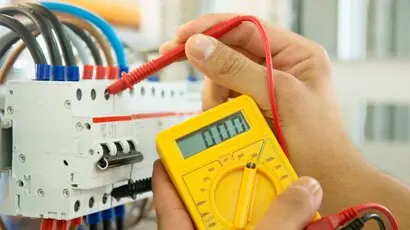
Indications of an electric fire threat include regularly stumbled breaker, flickering lights, burning smells, tarnished outlets, or warm, buzzing cords. Property owners should stay alert and seek expert help if any of these signs are present.
Exactly how Do I Know if My Home Requirements an Electrical Upgrade?
To figure out if a home requires an electric upgrade, signs consist of constant circuit breaker trips, out-of-date electrical wiring, insufficient electrical outlets, flickering lights, and the presence of older electrical panels, suggesting prospective safety and security threats and inefficiency.
Exist Certain Safety Tips for DIY Electrical Job?
When thinking about DIY electric job, one ought to constantly turn off power, make use of insulated tools, validate circuit functionality, follow local codes, and get in touch with specialists for intricate jobs to guarantee safety and protect against accidents. One more possible problem is an overloaded circuit, where too several devices draw power at the same time, stressing the electrical system. The threat of electrical fires considerably boosts with outdated wiring, as these systems were not created to manage contemporary electrical tons. Regular blown merges can indicate underlying electric issues that may stem from obsolete circuitry or overloaded circuits. To keep a efficient and safe electrical system, homeowners must carry out preventative safety and security practices that resolve prospective circuit overloads. Level 2 Electrician. Indicators of an electrical fire risk consist of often tripped circuit breakers, flickering lights, melting smells, tarnished outlets, or warm, humming cables